The Evolution of the Computer Mouse: From Ball to Wireless Ergonomic Designs
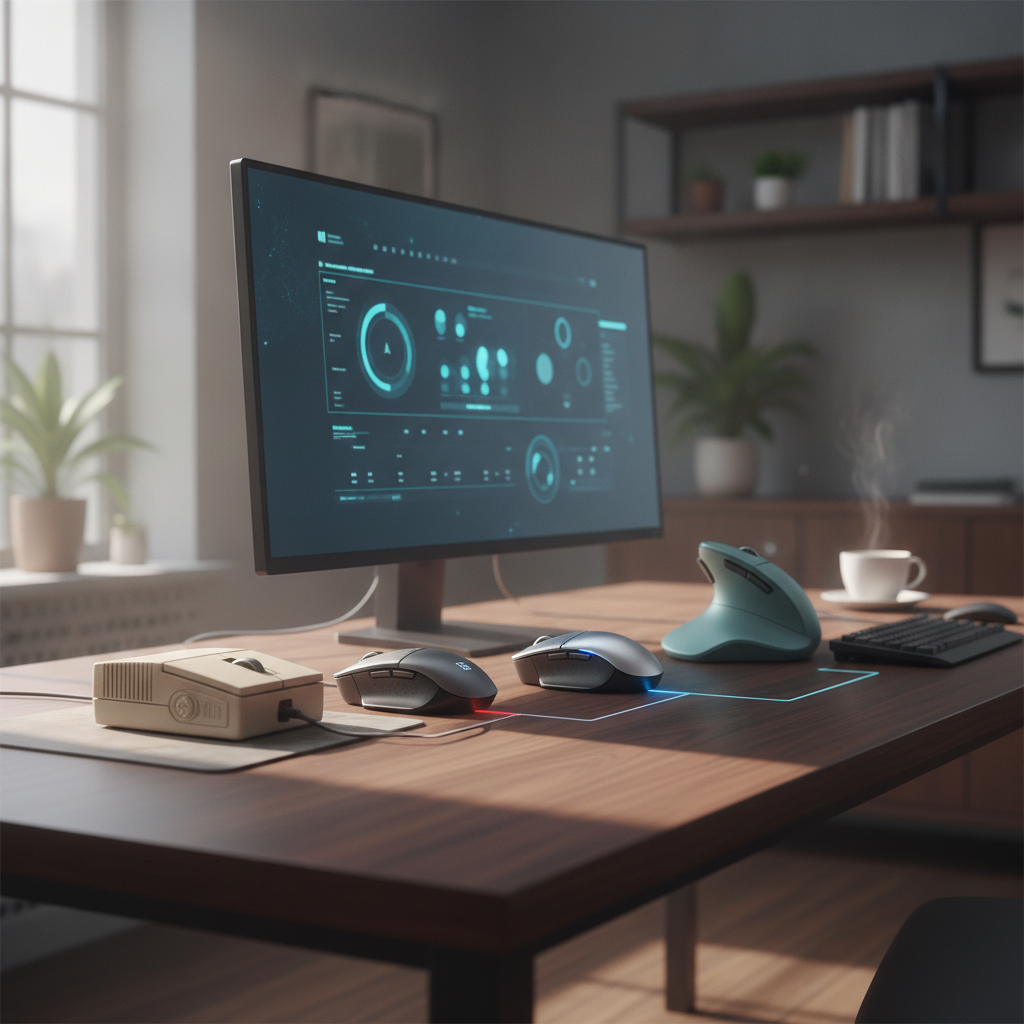
The Journey of the Computer Mouse
The computer mouse, an essential tool in modern computing, has undergone a remarkable transformation since its inception. From its humble beginnings as a simple ball device to today's sophisticated wireless ergonomic designs, the evolution of the mouse reflects advancements in technology and user needs.
The Early Days: The Ball MouseIntroduced in the 1960s by Douglas Engelbart, the first computer mouse was a wooden device equipped with two metal wheels that enabled cursor movement. However, it wasn’t until the 1980s that the ball mouse became widely popular. This design featured a rubber ball that rolled on a surface, translating the movement into cursor movement on-screen. While revolutionary at the time, the ball mouse had its downsides; dirt and grime could easily accumulate, leading to performance issues.
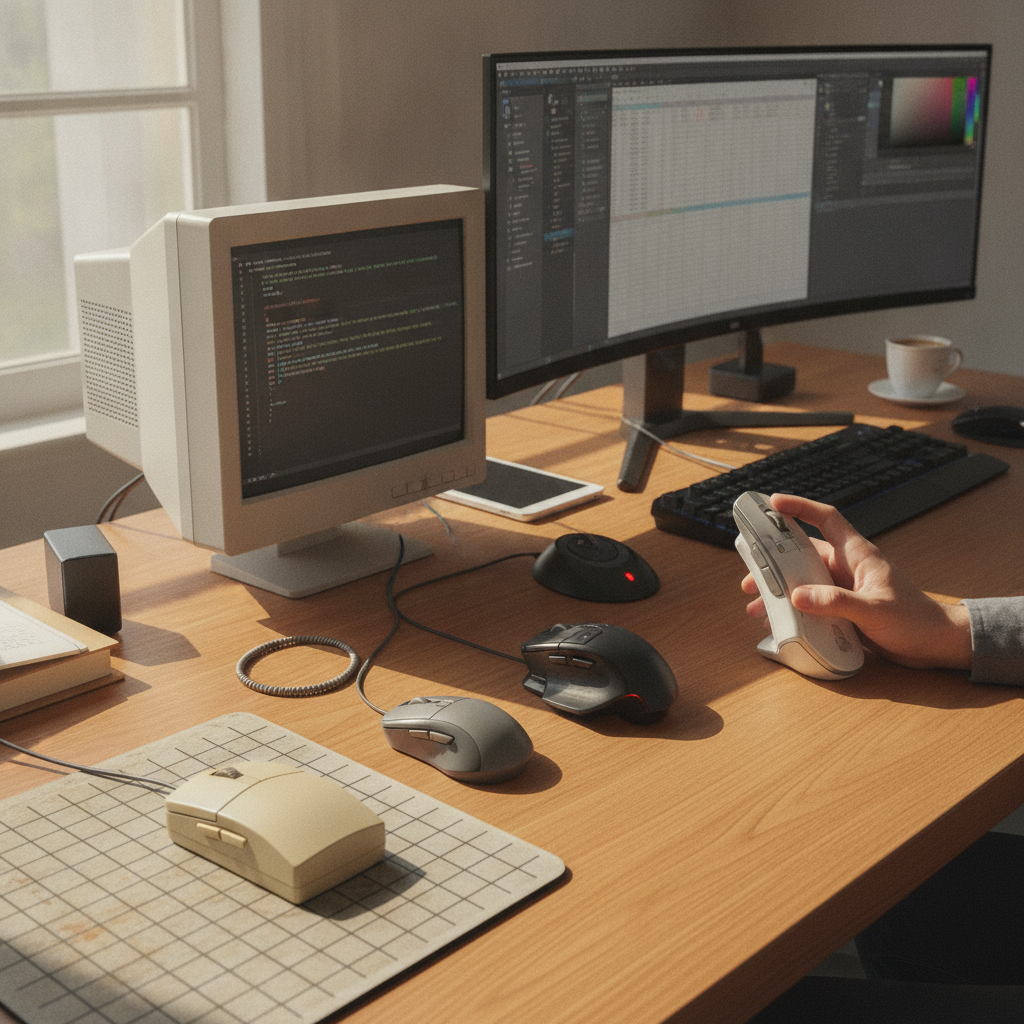
“The ball mouse was a breakthrough, but it was also a maintenance hassle.”The Rise of Optical Technology
As technology progressed, the optical mouse emerged in the late 1990s, replacing the ball with a light-emitting diode (LED) and a sensor to detect movement. This innovation eliminated the need for a mouse pad in many cases, as the optical sensor could work on various surfaces. The optical mouse provided greater precision and required less maintenance, marking a significant leap forward in mouse technology.
Wireless RevolutionThe introduction of wireless technology in the early 2000s further transformed the mouse. Wireless mice eliminated the clutter of cables, offering greater freedom of movement. Early models relied on radio frequency (RF) technology, requiring a USB receiver plugged into the computer. Over time, Bluetooth technology became prevalent, enabling a more streamlined connection to devices without the need for a USB dongle.
Ergonomics and CustomizationAs users became more aware of the importance of ergonomics, manufacturers began to design mice that catered to comfort and usability. Ergonomic mice, which are shaped to fit the natural curve of the hand, help alleviate strain during long periods of use. Features like adjustable sensitivity, customizable buttons, and even integrated grips have become standard in high-end models, allowing users to tailor their experience to their preferences.
“Today’s ergonomic mice are designed not just for functionality, but for comfort and health.”
Looking Ahead: The Future of Mouse Technology
As we look to the future, the evolution of the computer mouse is likely to continue. Advancements in touch sensitivity, gesture control, and even the integration of artificial intelligence may redefine how we interact with our devices. The mouse, once a simple tool, has evolved into an integral part of the computing experience, adapting to the needs of users and the technological landscape.
The journey from the ball mouse to wireless ergonomic designs illustrates the incredible pace of innovation in the tech world, reminding us that the tools we use can continually evolve to enhance our productivity and comfort.